
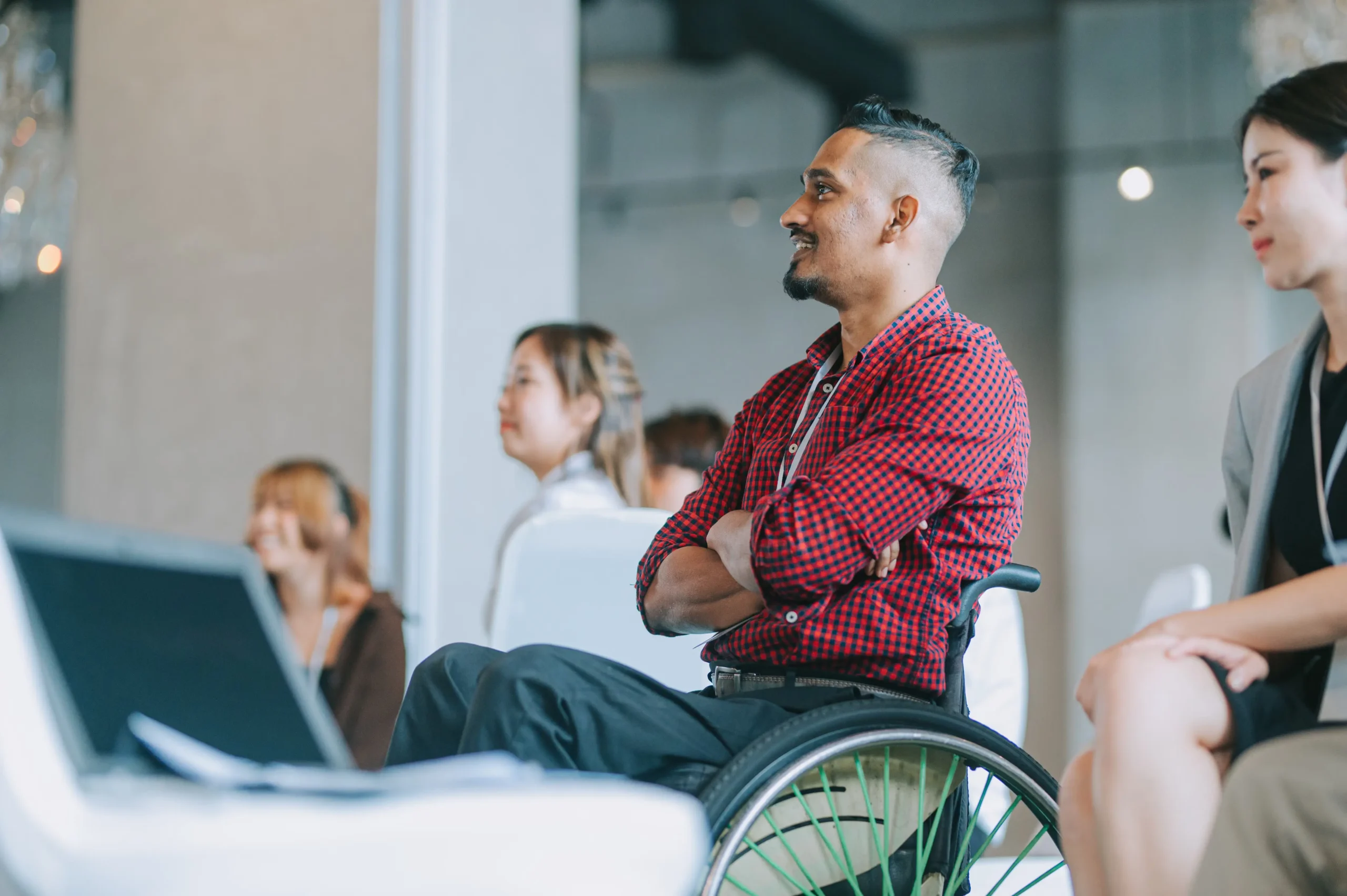
Love doesn’t come with conditions, and connection shouldn’t come with limitations. Across communities, more people are seeking spaces where authentic bonds can grow, regardless of physical, cognitive, or social challenges. That’s where dating services for disabled people are making a difference, offering pathways to connection that reflect real-life needs, preferences, and communication styles. These platforms and professionals are changing the narrative around love, making room for all kinds of experiences to flourish.
Why Inclusive Matchmaking Matters for Disabled Singles
For many disabled individuals, traditional dating apps or social settings fall short. They often overlook communication differences, sensory needs, or the pacing that some relationships require. Inclusive matchmaking steps in with sensitivity, care, and personalization that make each connection feel safe and intentional.
- Accessibility isn’t an afterthought, it’s part of the structure.
- Professionals provide one-on-one guidance, not just algorithmic pairings.
- Environments are created to reduce anxiety and social pressure.
- Focus stays on authentic connection, not surface-level filters.
When matchmaking is done with real understanding, it supports long-term relationship potential rather than just surface compatibility.
The Role of Matchmakers in Facilitating Real Connection
While tech-driven apps dominate mainstream dating, the human touch behind matchmaking for singles creates a more intentional space. This is particularly valuable when working with people who may feel socially isolated or misunderstood. Matchmakers work directly with individuals, learning their communication styles, preferences, and comfort zones.
- Phone or video consultations provide a safe starting point for conversation.
- Matches are introduced only after thorough vetting and compatibility checks.
- Coaching is often part of the service, helping singles prepare for conversations, dates, and emotional vulnerability.
- Personal advocates are available every step of the way, offering reassurance and perspective.
This kind of structured interaction helps remove the unpredictability and disappointment that often come with modern dating apps.
What Makes Dating Services for Disabled People Unique
A growing number of organizations now specialize in dating services for disabled people, including those with physical, intellectual, or neurodiverse conditions. These services aren’t simply about pairing people with similar labels; they focus on personalities, communication styles, and individual goals.
Here’s what makes these services stand out:
- Sensory-friendly events or virtual dating options cater to people with autism or sensory processing sensitivities.
- Coaching sessions help build confidence in social interaction and navigating first impressions.
- Support for mobility, scheduling, and transportation needs is integrated into the planning process.
- Real feedback is shared after dates, helping singles reflect and grow from each interaction.
By accounting for real-world barriers and daily needs, these services help remove the guesswork and create opportunities for bonds to grow at their own pace.
How Matchmaking for Singles Encourages Confidence and Connection
For people who may be navigating dating for the first time or returning after a long break, the structure and encouragement behind matchmaking for singles is a steadying force. Instead of swiping through hundreds of profiles or facing the pressure of blind dates, singles are introduced to others with shared values and relationship goals.
- Focus is placed on quality over quantity, with matchmakers curating only a few compatible options at a time.
- Each interaction is prepared with care, often involving pre-date guidance and post-date debriefs.
- There’s no rush or pressure; progress happens based on personal comfort and readiness.
- Those with communication differences or anxiety are supported in ways that respect their boundaries.
This slower, thoughtful process helps build not just connection but confidence, a vital part of dating that many services overlook.
Social Stigma and How These Services Help Redefine It
One of the greatest barriers disabled people face in dating isn’t a lack of desire or readiness; it’s social stigma. Outdated assumptions about capability, attractiveness, or compatibility often limit what others expect. Specialized dating services for disabled people directly counter this stigma by normalizing love, desire, and emotional growth in every form.
- Services openly affirm that disabled individuals deserve love and intimacy.
- Language used is person-centered, respectful, and empowering.
- Clients are never expected to downplay their needs or edit their experiences for the comfort of others.
- These platforms and professionals are creating visibility for love stories that deserve to be seen and celebrated.
In doing so, these services don’t just create matches; they help rewrite cultural narratives around what love and partnership look like.
Looking to Build Real Connection Without Judgment?
Inclusive dating starts with understanding. If you’re ready to connect with someone who values you for who you are, with no pressure to explain or apologize for your experiences, matchmaking is a step worth taking.
Matchmaking for singles who want more than just swipes is available. Through careful listening, thoughtful introductions, and a commitment to inclusivity, MatchmakingForMe creates opportunities where real relationships can grow. Whether you’re on the spectrum, have mobility challenges, or just feel overwhelmed by traditional dating platforms, you’re not alone, and your story is just beginning.
Q1: What support is available for individuals with social challenges who want to date?
Services often include coaching, pre-date preparation, and personalized introductions based on communication style and comfort level.
Q2: Are there dating options that prioritize emotional safety and slower pacing?
Yes, some services offer guided matchmaking designed for those who prefer gradual connection-building and deeper conversations.
Q3: How do personalized match introductions differ from standard dating apps?
Instead of swiping or texting strangers, introductions are made by professionals who match based on compatibility, not algorithms.
Q4: Can someone living outside a major city still access inclusive dating help?
Absolutely. Some services extend their offerings nationwide, providing remote coaching and virtual introductions.
Q5: What makes a relationship-focused service ideal for someone with unique daily needs?
These services adapt to lifestyle, mobility, or sensory needs while offering guidance that promotes genuine emotional bonding.